As you may have seen, last year we explored the 2024 decor trends, and we’re continuing this momentum into the new year. The world of decoration is constantly evolving, and 2025 promises to be full of innovative inspirations, bold materials, and reinvented concepts.
This year, the focus is on a return to basics, with interiors that celebrate nature, simplicity, and sustainability. Ecological influences are strengthening, encouraging the use of responsible materials and timeless designs that defy fleeting trends.
Natural and sustainable materials
Raw and organic materials are at the heart of modern interiors. Solid wood, stone, and cork dominate, bringing warmth and authenticity. Pairing them with textiles like linen or wool creates a cozy and comforting ambiance. These natural elements blend seamlessly with metallic touches, such as copper or brass, for an elegant contrast. The neutral and earthy tones often used in these designs enhance the soothing and timeless atmosphere.

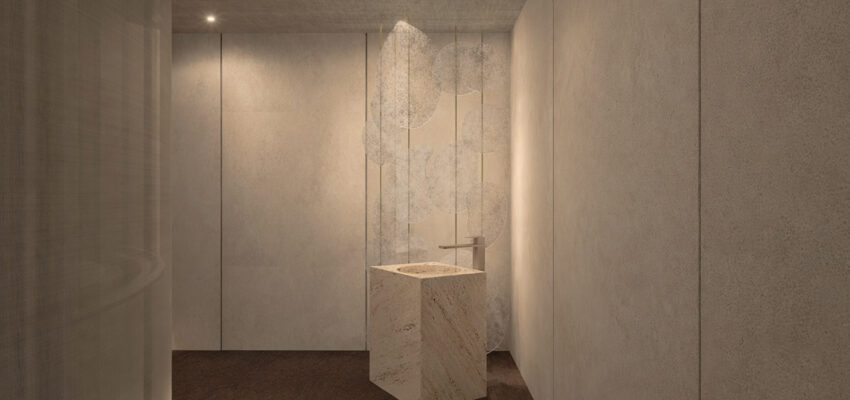
Projet Navarin
Earthy colors
Interiors are adorned with shades deeply inspired by nature, reflecting a need for tranquility and connection to the environment. Earthy colors like ochre, terracotta, brown, along with shades of sand or sage green dominate the color palettes. These organic tones create enveloping and serene atmospheres, perfect for transforming every room into a cocoon of well-being.
Warm tones, such as ochre and terracotta, paired with natural materials like wood or stone, infuse a sense of authenticity and intimacy. Brown, in its various shades—chocolate, tobacco, or mocha—adds depth and elegance, especially when used on accent walls or statement furniture. It can also be found in the Navarin project, where the prominent use of burgundy blends warmth and elegance in a bold, welcoming style.

Crédit : Pinterest
How multifunctional spaces are redefining our lifestyles with innovative designs?
In response to new ways of living and working, our interiors must reinvent themselves. Today, every space needs to be flexible, ready to adapt to multiple uses without compromising aesthetics. Whether you’re looking to create a discreet home office corner, maximize space in a small apartment, or design a room with multiple functions, multifunctional spaces are emerging as a clever and essential solution in interior design.
When thinking of iconic designers, one notably comes to mind:
Patricia Urquiola, an internationally renowned creator whose works stand out for their ingenuity and contemporary aesthetics. She offers hybrid furniture that blends functionality with innovative design, such as her transformable and modular sofas.

Projet Navarin
The art of living naturally
Plants are no longer just decorative accessories: they have become central elements. Responding to a growing need for connection with nature, they transform our spaces into havens of serenity and vitality.
The integration of plants into the home is not just aesthetic: it is a wellness approach inspired by the principles of biophilia. This philosophy advocates a return to natural essence to soothe the mind and energize environments.
Living plant walls, true works of art, turn a room into a lush ecosystem. Whether created with natural or stabilized plants, they offer an ideal solution for bringing nature into small or urban spaces.
Patrick Blanc, famous for popularizing the concept of plant walls, revolutionized vertical gardens by turning facades into true living works of art. Through his expertise in tropical ecology, he has designed iconic installations around the world, blending innovation, biodiversity, and aesthetics.

Crédit Pinterest
Stripes, a timeless pattern in interior design
Stripes are a classic pattern that transcends trends and eras without ever going out of style. They bring structure and dynamism to spaces while being incredibly versatile. Whether for a modern, retro, or minimalist style, stripes adapt to all types of interiors and can transform the atmosphere of a room.
Stripes have this unique ability to play with the perception of space. When arranged vertically, they visually elongate and elevate ceilings, creating an illusion of height. Conversely, horizontal stripes provide a sense of width, making them ideal for narrow rooms. By playing with colors and the thickness of the stripes, it’s possible to create depth effects that enhance the interior design.