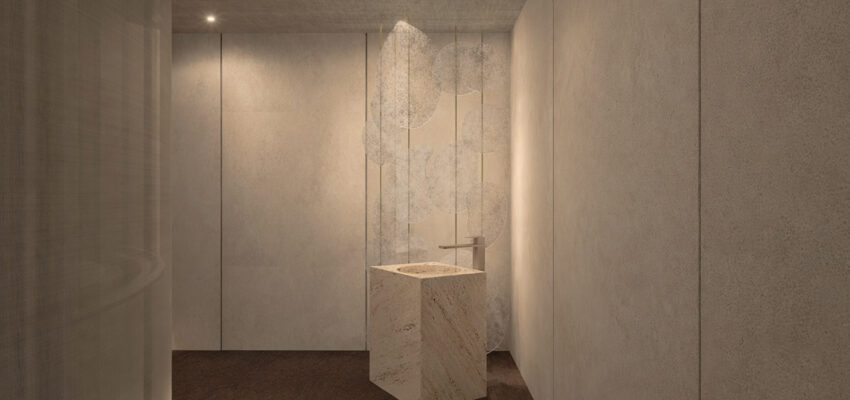
Architecture is a vast and diverse field, where each project brings its own set of unique challenges and exciting opportunities. At Maison A&G, we have had the privilege of working on a variety of projects, ranging from private residences to commercial spaces. In this article, we explore the key differences between residential and commercial projects, as well as the specific challenges and opportunities that come with each type of project.
Residential projects: a focus on comfort and personalization
Challenges:
Intense personalization:
Residential projects often require extensive customization to meet the specific needs of the homeowners. Each family or individual has unique preferences when it comes to design, functionality, and aesthetics, which can make the design process more complex.
Management of private spaces:
Creating intimate and comfortable spaces is essential. This requires a deep understanding of how the occupants use the different areas of their home.
Budget constraint:
Residential project budgets are often more limited. Therefore, creativity is essential to maximize the impact of the design while staying within financial constraints.

Projet Rome
Opportunities:
Personal relationships
Working on residential projects allows for developing close relationships with clients. Understanding their needs and dreams enables the creation of truly unique and personal spaces.
Design flexibility
Residential projects offer greater freedom in terms of design. It is possible to experiment with different architectural styles and incorporate personal elements that reflect the occupants’ personalities.
Direct impact on well-being
A well-designed residential project can significantly improve the quality of life for its occupants, which is extremely rewarding for architects.

Projet Blanche
Commercial projects: efficiency and user experience.
Challenges:
Compliance with standards and regulations
Commercial projects must comply with a large number of local and national regulations. This includes safety, accessibility, and energy efficiency standards, which can complicate the design and construction process.
Functionality and flexibility
Commercial spaces must be designed to be functional and often flexible to adapt to different uses. This requires careful planning to anticipate the future needs of users.
Time constraints
Commercial projects often have tight deadlines as they are tied to strict business and financial goals. Meeting these timelines while maintaining high design quality is a constant challenge.

Projet Champagne
Opportunities:
Impact on a wider audience
Unlike residential projects, commercial projects reach a large number of people. A well-designed commercial space can enhance user experience, attract more customers, and strengthen a company’s brand image.
Innovations and Technologies
Commercial projects often provide the opportunity to integrate advanced technologies and innovative solutions. This can include smart building management systems, eco-friendly solutions, and innovative construction materials.
Scope and Visibility
A well-designed commercial project can have significant scope and visibility. This can not only be beneficial for the client but also enhance the reputation of the architectural firm.
Whether for residential or commercial projects, each type presents its own challenges and opportunities. At Maison A&G, we value the diversity of these projects as it allows us to apply a wide range of skills and creative solutions. Ultimately, our goal is to create spaces that meet our clients’ needs while respecting the specific constraints of each project. Whether you are considering renovating your home or developing a new commercial space, we are here to turn your vision into reality.