70s, 80s: The Comeback
A color palette with a strong identity, bringing the trend to the seventies but also the eighties with the return of an explosive chromatic explosion.
This comeback is reflected through a mix of nostalgia, concern for the future, fatigue with the fast pace of the world, and a simple attraction to past styles that push the public and creators toward films, TV shows, and music inspired by the 1980s.
This style is found in touches on a piece of furniture or a decorative accessory, but also in a total look from floor to ceiling with carpet, satin fabrics, wallpapers, colored leather, shiny finishes, curves, mosaic tiles adding texture, lacquered objects, or even various soft/tinted lighting sources.
For iconic designers, we think of:
Ettore Sottsass: A founding member of the Memphis Group, Sottsass left a lasting mark on the design world with creations such as the Carlton Room Divider, a colorful and asymmetric masterpiece that perfectly embodies the spirit of the 80s.
Philippe Starck: Among Starck’s creations in the 80s is the Costes chair, with its sleek lines and avant-garde aesthetics, making it an iconic piece of the time.


Crédit: Marta & Alexander Girard & Alyssa Ramstetter
Chrome
After years dominated by brass, goodbye, it’s chrome’s turn to make a comeback.
In its raw, brushed, or polished form, chrome has reappeared in design collections for the past three seasons. It’s also featured in several interior design projects, including our ROME project, where chrome serves as the thread of the renovation, and we designed the kitchen entirely in brushed stainless steel.
A favorite medium of avant-garde designers such as Eileen Gray, Jean Prouvé, Le Corbusier, and Charlotte Perriand, this material, which emerged after the Industrial Revolution, takes the same turn as it did half a century ago, asserting its aesthetic characteristics both in small décor items and large furniture and custom layouts.
In 2024, metal ranks among the top 3 materials essential to creating a decor brimming with modernity.
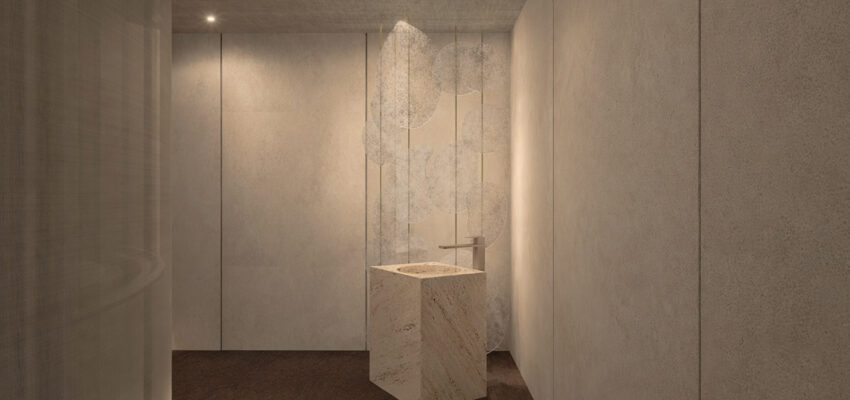
Minimalism quiet luxury
Still different from classic minimalism and the Japandi style we’ve seen a lot in recent years, we are witnessing the birth of a new movement that we could call neo-minimalism.
Synonymous with what is called “quiet luxury” in the world of fashion, raw materials and textures are tactile, with neutral colors accented by touches of earthy tones such as khaki, terracotta, or ochre.


Crédit: David Horan & Pinterest & Space Factory
The furniture doesn’t scream “I’m signed by a famous designer,” but is organic, enveloping, and comfortable. Nature enters the spaces, blurring the boundaries between indoors and outdoors.
Texture and solid natural materials play a key role.
The mantra of this trend is simplicity, quality, and sustainability, in contrast to appearance, the ephemeral, and showiness.
Maximalism and bright colors
This year will be full of contradictions, as we love both neo-minimalism and maximalism.
We don’t hesitate to mix bright, bold colors, and we’re not afraid to dive into kitsch. The theatrical and surrealist artistic movements find their full meaning in energetic interiors—one thing is for sure, we won’t be bored.
The art of pattern is making a strong comeback, revealing an abundance of shapes, prints, and textures.


Crédit: Laura Gonzalez & Kersylovescolor
We think of the installation by Uchronia studio during Paris Design Week, which presented a new idea of mix & match taken to the extreme.
Whether through touches via furniture, art pieces, and small accessories, or by large elements such as a wall, ceiling, floor, backsplash, or kitchen facades—even down to the faucets—interiors are expressive with a strong character.
For inspiration, we think of Laura Gonzalez, Daphné Desjeux, and the rising star Zyva studio.


Crédit: Anthony Authie
Technology
The theme of the upcoming Maison&Objet fair in January will set the tone for a year focused on technology serving well-being at home.
Named Designer of the Year at Maison & Objet 2024, Mathieu Lehanneur, with projects straddling the line between science and design, brings to life a lifestyle where technology and refinement merge.
We are increasingly talking about “smart homes”, or connected homes, equipped with home automation products that allow for automation and control of the environment in which we live. Homes feature several connected objects linked together and capable of being controlled remotely.


Crédit: Mathieu Lehanneur Crédit: Equinex
Today, there are countless multi-connected tools via Bluetooth and/or Wifi: audio and visual functions, heating, ventilation, security, and lighting.
These devices make modern connected homes self-cleaning, heating, illuminating, locking, and organized to best meet the needs of the inhabitants without interfering with their daily lives.
After discovering the 2024 décor trends, dive into our practical guide on mastering space optimization.