By 2026, architecture will have undergone a fundamental transformation. Moving away from standardized construction, projects will focus on designs that are more appropriate, more sustainable, and deeply rooted in their surroundings. Natural materials, bioclimatic design, careful consideration of scale, and a sustainable approach: the principles of contemporary architecture are evolving toward greater coherence and precision. Each project becomes a specific response to a location, a use, and a way of life. The challenge today is therefore no longer simply to build, but to design spaces that are also built to last.
Discover below the major trends shaping architecture in 2026.
Architecture designed to blend harmoniously with its surroundings
Today, every architectural project begins with a careful analysis of its context.
Orientation, solar gain, natural ventilation, thermal mass: these factors shape the design from the very first sketches.
This bioclimatic approach enables the design of buildings that are:
- more energy-efficient
- more comfortable in all seasons
- more in harmony with their environment
Whether for new construction, an addition, or a high-end renovation, this expertise becomes a key driver of quality and value.

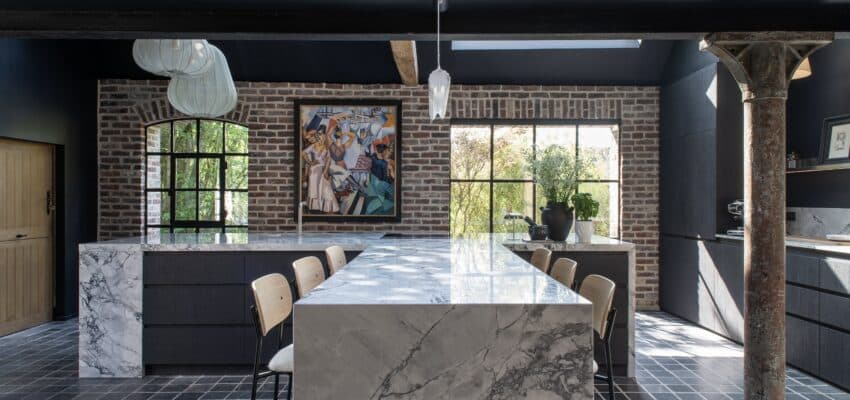
3D – Project Theoule
Roofs designed as true living spaces
Long considered merely functional spaces, roofs are now becoming a natural extension of the living environment.
Accessible terraces, green roofs, hanging gardens, and relaxation areas: they expand the building’s uses and offer new possibilities, particularly in urban settings.
These designs make it possible to:
- optimize space
- improve thermal performance
- enhance the building’s usability
The roof thus becomes a space in its own right, designed with the same high standards as the rest of the building.
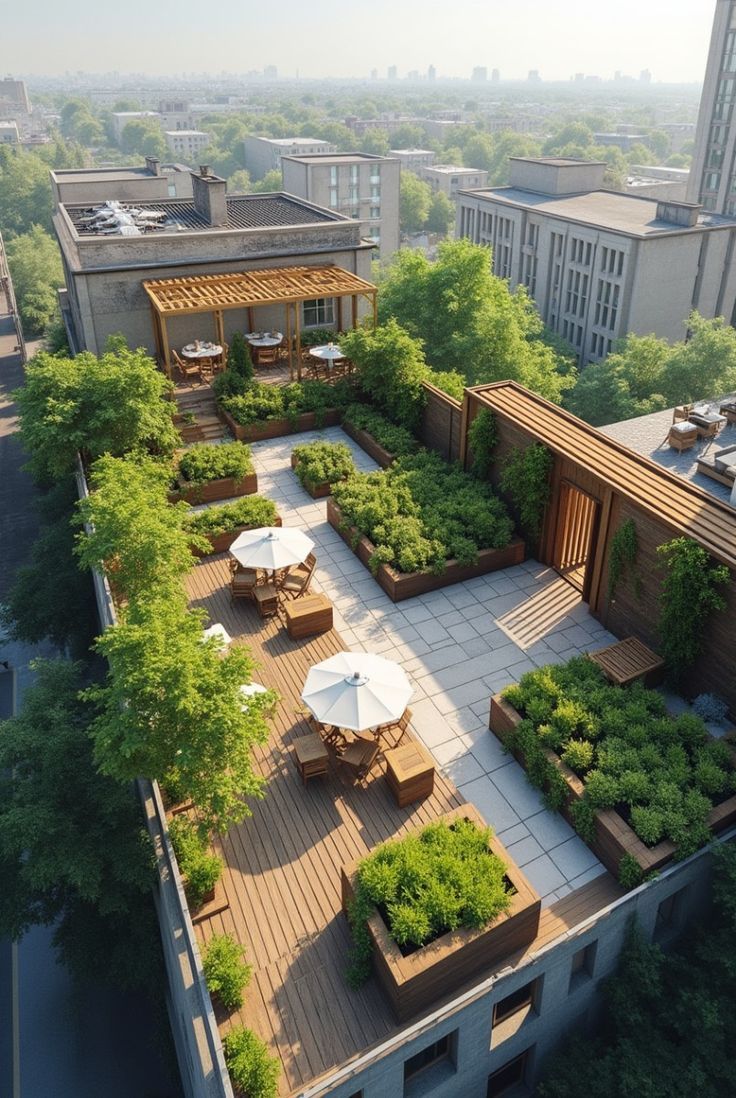
Pinterest Credit
The choice of raw and sustainable materials
By 2026, the choice of materials will play a central role in architectural design. Materials are no longer merely technical considerations; they define a project’s structure, sustainability, and identity.
Contemporary projects favor materials that are high-performance, sustainable, and expressive, such as:
Solid wood
It has established itself as a benchmark material.
Naturally insulating, it improves a building’s thermal performance while reducing energy needs. Derived from renewable resources, it aligns with sustainable construction principles. Used in structural elements or as cladding, it lends a warm presence and provides a clear sense of volume.
Natural stone
An age-old material, natural stone remains highly relevant in today’s projects. Its durability, strength, and ability to stand the test of time make it a preferred choice for enduring architecture.
It also allows for seamless integration into the landscape, creating a direct dialogue with the site. With its various shades, each project can thus leverage it to assert a strong and unique identity.
Raw earth
This material fits perfectly into the contemporary approach to sustainable construction. Local, minimally processed, and low-carbon, it is ideally suited to today’s environmental challenges.
Thanks to its high thermal mass, it naturally regulates indoor temperatures and improves the building’s overall comfort.
Its raw, nuanced aesthetic contributes to an authentic architecture, rooted in its local context.
Low-carbon concrete
Low-carbon concrete allows for a balance between structural performance and reduced environmental impact. Its optimized formulations reduce CO₂ emissions while maintaining its technical qualities. Furthermore, it offers great freedom in the design of volumes, enabling clean lines and sustainable structures.
Beyond their performance, these materials contribute to a clear and coherent architectural language. Often left exposed, they reveal the building’s structural logic and reinforce the project’s character.

Project Vendrest
Toward a more sustainable and controlled architecture
Current trends thus reflect a profound shift: architecture is becoming a discipline of precision.
Every decision—orientation, structure, materials—affects the building’s usability, sustainability, and performance.
Designing today means coordinating:
- volumes
- flows
- light
- uses
Within a holistic approach, where every element becomes indispensable.
Maison A&G: designing your architectural project
At Maison A&G, we take a holistic approach to every project, from design through to completion. Our approach is based on a simple belief: a successful project is a well-managed project.
We support our clients in construction, expansion, and renovation projects with a consistent focus: guiding choices, ensuring sound decisions, and guaranteeing meticulous execution.
We pay particular attention to:
- the accuracy of volumes
- the quality of materials
- overall coherence
- and precision in the details
Each project is designed to last, blend into its surroundings, and precisely meet its intended uses. After exploring the architectural trends of 2026, discover all our high-end architecture and renovation services.