What does the concept of the ideal home mean to you? If you are attracted by the idea of a home that reflects your personality in every way, combining luxury, comfort and innovation, then an architect-designed home is for you. Far from standardised constructions, it embodies a philosophy of living where every detail is designed to suit your lifestyle, your desires and your environment.
What is an architect-designed house?
An architect-designed house is, above all, a unique work, entirely custom-designed by a qualified architect. Unlike a conventional house, whose plans are often pre-established, an architect-designed house starts with a blank sheet of paper, guided by careful consideration of the needs and lifestyle of its future occupants. Whether it is a contemporary villa with clean lines and modern materials, or a reinterpretation of a more traditional style, it stands out for its originality and harmonious integration into its surroundings.

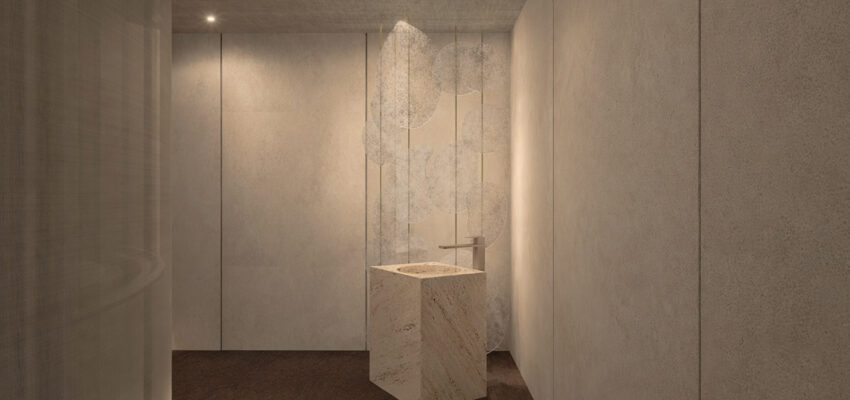
Project Comines
The advantages of an architect-designed house
Investing in an architect-designed home offers a multitude of advantages that go far beyond mere aesthetics:
- Complete customisation: This is the major advantage. Number of bedrooms, room layout, swimming pool, garage, spacious terrace or landscaped garden… Everything is designed to suit your desires. The architect incorporates your specific requirements, such as an artist’s studio, a dedicated office or leisure areas, for optimal functionality.
- Originality and unique aesthetics: No more cookie-cutter houses! Your home will be a unique creation, a true reflection of your personality. The architecture is innovative, incorporating technical solutions and sometimes bold materials for an exceptional result.
- Superior quality and rigorous monitoring: The design of an architect-designed house involves a rigorous selection of contractors and high-end materials. The architect closely monitors the project, from the initial plans to the completion of the work, ensuring impeccable quality and constant attention to detail.
- Optimisation of space and light: Thanks to the architect’s expertise, every square metre is used wisely. The integration of large bay windows, the strategic orientation of the house to capture natural light and the creation of unusual volumes maximise space and well-being.
- Property valuation: An architect-designed house, thanks to its unique character and high-quality design, enjoys significant added value when resold on the property market. It is a rare and sought-after asset that attracts considerable interest.

Project Essonne
The implementation process: Tailored support
Building an architect-designed house is a collaborative process, orchestrated by your architect:
- Listening and in-depth analysis: The first step is crucial. The interior designer takes the time to understand your expectations, your lifestyle, the number of bedrooms you want, your specific needs (e.g. an open-plan kitchen, a bathroom with a panoramic view, etc.) and your budget.
- Detailed design and plans: Based on this analysis, the architect develops customised plans, taking into account the constraints of the land, current urban planning regulations and landscape integration. Each room is designed for optimal functionality.
- Site supervision and support: Throughout the construction process, the architect is your primary point of contact. They advise you, supervise the work, coordinate the various trades and ensure that the project complies with the plans and quality standards.

3D – Project Théoule
An invaluable asset for your future
Whether you are looking for a contemporary architect-designed house in Paris or an exceptional property in the south of France, this option offers you a unique living environment and definite heritage value. The architect’s artistry optimises the harmony between the house and its surroundings, using innovative materials and creating spaces that are perfectly suited to your everyday life.
To find out more and discover concrete examples of our projects that will inspire you, feel free to browse our website. Our agency specialises in exceptional real estate.
Investing in an architect-designed home is a bold choice, but it is the assurance of a property that is designed to last, evolve with you and provide you with unparalleled comfort.